
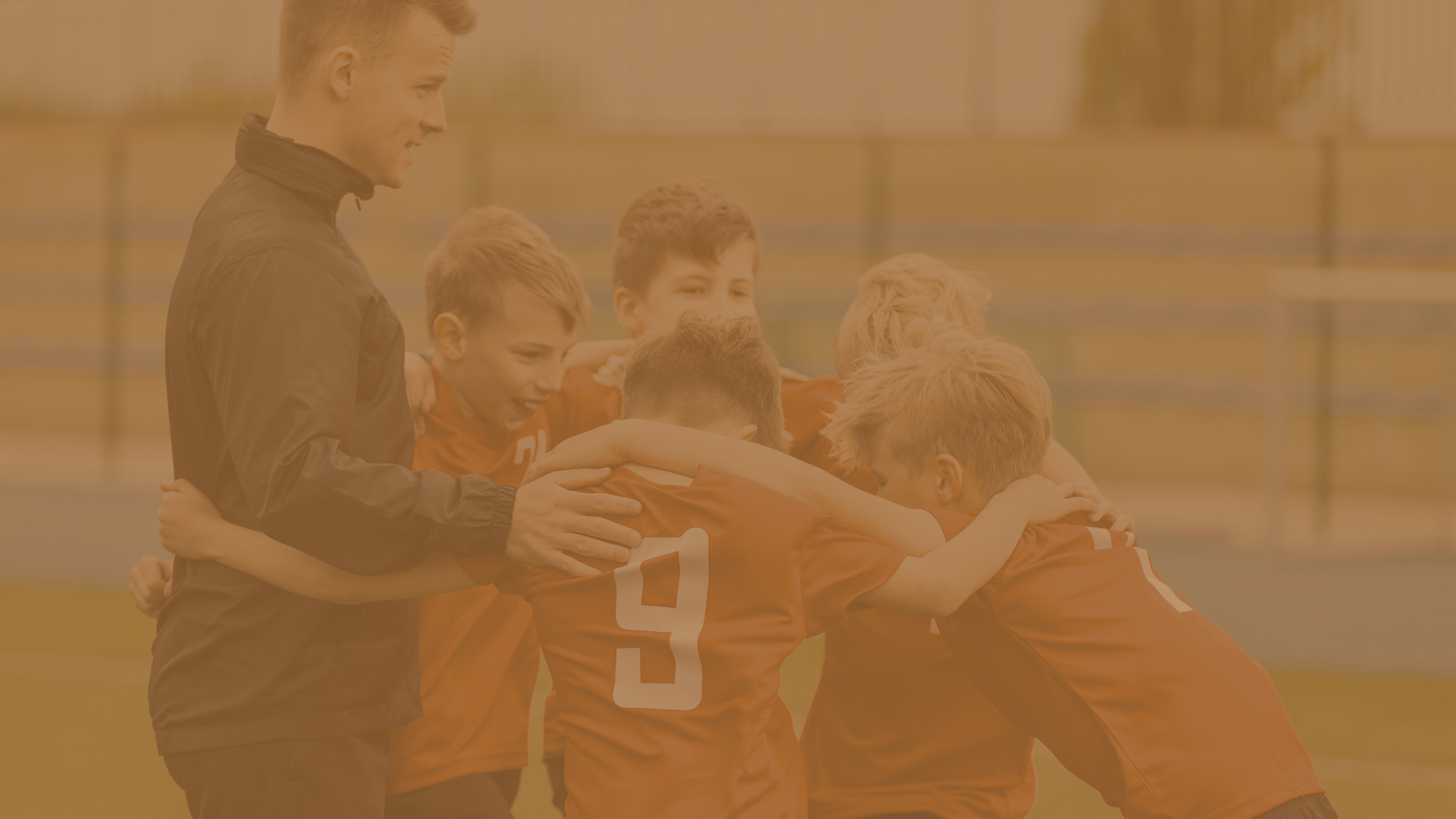
Our baseline screening combines Cognigram® cognitive testing with a set of key subjective outcome measures recommended for modern concussion care. This provides a comprehensive picture of pre-season cognitive function, symptoms, and self-reported performance.
Baseline Testing.
Be ready for season 2026.
A complete at-home baseline screening including Cognigram® cognitive testing and key outcome measures. Simple to complete, but critical for safer return-to-play decisions.
✔ Reviewed by a health professional
✔ Simple at-home test — no clinic visit needed
✔ Includes Cognigram® cognitive testing
✔ Takes ~20 minutes

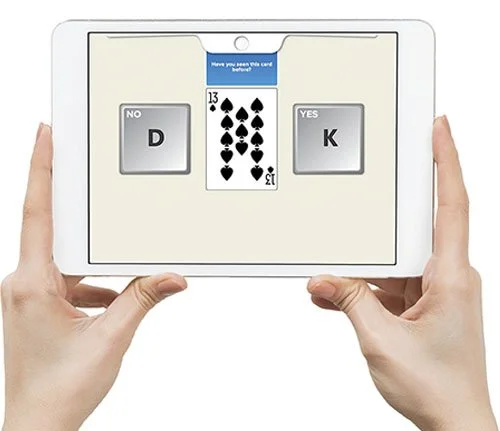
Cognigram® Cognitive Test
The baseline includes Cognigram®, a validated computer-based cognitive assessment used in elite sporting environments, including AFL settings. It assesses key areas commonly affected by concussion, such as reaction speed, attention, memory, and information processing, providing an objective snapshot of brain function when the athlete is well.
Subjective Outcome Measures
Alongside cognitive testing, the baseline includes subjective outcome measures that capture information cognitive tests alone cannot. These include current baseline symptoms relating to mood, sleep quality, perceived concentration, and more, helping to build a more complete baseline profile.Baseline Report
Once completed, a Cognigram® baseline report is generated, summarising cognitive performance across the assessed domains. All baseline information, including outcome measures, is reviewed by a member of our clinical team to identify any notable variations and communicate these where relevant.Secure Storage for Post-Injury Comparison
Baseline data is stored securely so that, if a concussion occurs, post-injury results can be compared directly to the athlete’s own pre-season baseline rather than age-based averages. This supports clearer interpretation and more confident clinical decision-making.
What’s included.
Why it matters.
After a concussion, symptoms can fluctuate and subjective reports alone don’t always tell the full story. A baseline test provides objective reference data that helps clinicians interpret post-injury results more accurately.
Baseline testing:
Reduces reliance on guesswork
Improves confidence in assessment decisions
Supports safer return-to-activity planning
Is especially valuable for children and adolescents, where cognitive function changes with development
While a baseline is not essential to assess a concussion, having one provides an extra layer of information that can meaningfully support safer care.
FAQs.
-
Any athlete involved in contact or collision sport.
More data = better decisions.
Baseline testing is especially important for juniors where symptoms may be harder to interpret and cognitive profiles change as they grow.
-
Before the season begins.
We recommend completing baselines in the pre-season period (Jan–April) so results are ready and stored if a concussion occurs during the year. -
Every season.
Cognitive performance changes with age, development, fatigue, learning, injury history, and training load — especially in children and adolescents. Even senior players are advised to repeat their baseline annually.
-
You will receive:
A summary of your Cognigram® baseline results
A summary of your symptom and outcome measure data
Confirmation that your baseline is on file for comparison if you sustain a concussion
-
Within 1–2 business days.
You will receive an email directly from both YourBrainHealth & Cognigram with instructions. -
You may submit your receipt to your private health fund if you wish; however rebates on contactless screenings are uncommonly approved by health insurers and cannot be guaranteed. However, any Post-injury concussion consultations in clinic are claimable on-the-spot via HICAPS depending on your level of extras cover.
-
No.
Baseline data improves accuracy, but if no baseline is available, we use age-related norms and validated tools to assess you effectively.